The Wacky World of 1989 Entrepreneurship: No Internet, No Problem!
Entrepreneurship (1989) for us meant doing everything without internet, without followers, without views, without marketing,m and without social media or guru know-it-alls telling you how it should be done.
After our enthusiastic coffee expedition and return to the Netherlands, we had accumulated enough experiences to collectively disrupt three medium-sized nervous systems permanently.
Following that coffee-scented summer, we started looking into transportation options that extended beyond a bicycle.
We were forced to dive into bookkeeping, completely unnecessary insurance policies and spent a great deal of time calling government agencies that, to this day, I still don’t understand why they exist in the first place, such as the tax office and the Chamber of Commerce.
There was no internet, no AI, no Google. No YouTube tutorials explaining how to write the perfect business plan, mapped out by the world’s youngest billionaire toddler who had only recently graduated from diapers.
We didn’t even own a computer yet and were simply two unfortunate early school dropouts (each carrying a tiny diploma that turned out to be completely useless).
In other words, we were basically a pair of jokers with zero knowledge about anything.
Zero knowledge of importing, administration, entrepreneurship, or, for that matter, adult life in general.
We simply got started like a couple of ferrets that had spent too long in the sun, and we did it all without Siri, without AI, without followers, views, marketing, Botox, or fillers to soften the shock for other people (still without those, although the shocking part has remained).
Apparently, and I have no idea whether this is still allowed today or whether forty-seven different agencies would immediately chase you down, you could simply run a startup business for six months without bookkeeping, without Chamber of Commerce registration, and probably without any proof that you even existed.
Any form of startup subsidy was out of the question because one of us had insisted on obtaining an actual job in society despite having neither the talent nor the desire for it.
As a result, we weren’t starting from a position of unemployment and permanent sleeping-in and there was already some startup capital available.
Borrowing one million guilders from a bank? The mere thought caused spontaneous itching, heart palpitations, and mild claustrophobic symptoms.
We preferred a far more revolutionary business plan: first try to earn money, and only then spend it. A concept that would probably be considered highly risky nowadays.
Naturally, we also had to calculate which prices we would charge and which profit margins would satisfy us.
So, crawling across floors because, once again, there was NO internet, we investigated prices for ditch water and other beverages pretending to be coffee by looking in every crack, crevice and, if necessary, secret room in Parliament.
One kilo of coffee for €85 or €148 was a difficult decision.
Quickly scrape together enough money for a camper van, or spend the rest of our lives pouring coffee into ourselves.
It also meant studying the few coffee brands already available on the Dutch market, some of which caused signs of mental disruption from the very first sip.
But you still needed to know who your competitors were, because once again there was NO internet instantly informing you about the complex triple-fermented-under-a-full-moon flavor notes supposedly hidden inside coffee.
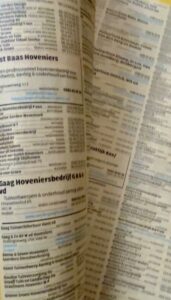
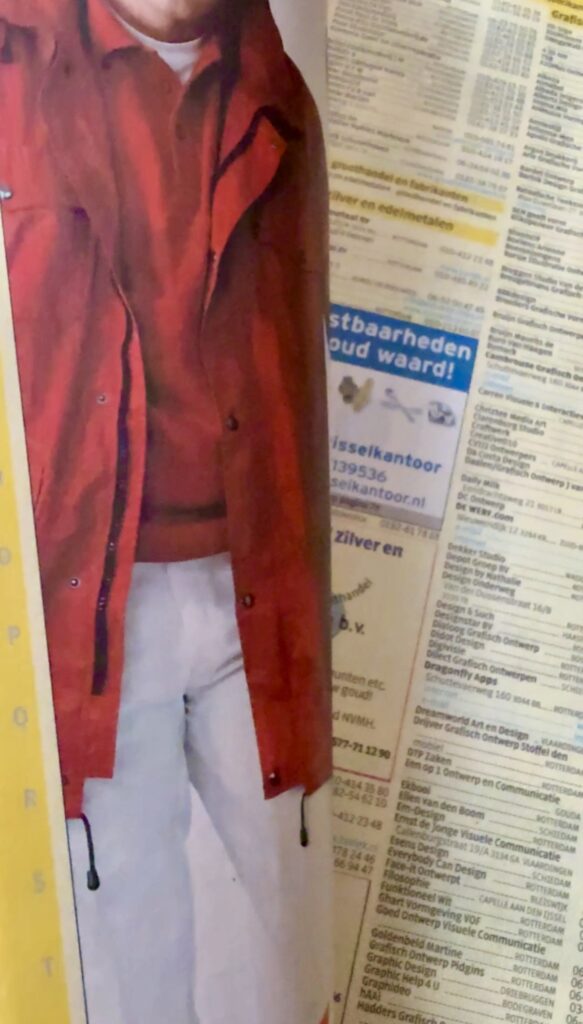
We simply had this ridiculously heavy book: the Yellow Pages, and that was our search engine.
And so began the coffee adventure that nobody expected would last now for 37 years.